
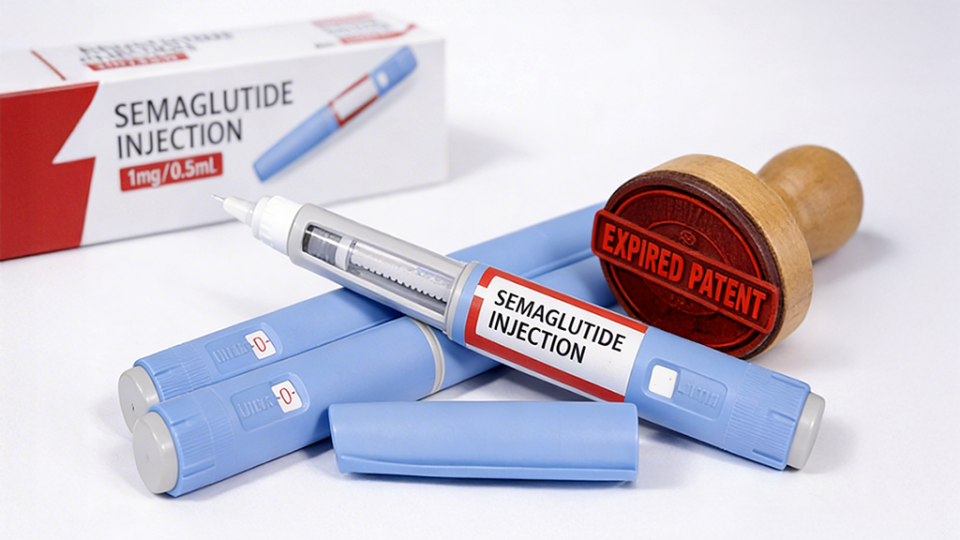
India’s diabetes and obesity concerns have been weighed not only by their increasing rates but also by the limited access to effective treatments. Following the semaglutide patent expiry in India on March 20, 2026, this weight loss drug can disrupt the equilibrium, influencing both economics and availability of GLP-1 treatments. This marks a significant change in the country’s approach to diabetes and obesity treatment.
While the drug itself will remain the same, but it will no longer be a patented product; it will be a generic one. This will affect how much it costs, who can get it, and how companies that commercialize GLP-1-based therapies compete.
Semaglutide is a GLP-1 receptor agonist and the active ingredient for type 2 diabetes treatment and chronic weight management. It has become one of the most commercially successful and clinically impactful drugs worldwide. With global sales exceeding USD 20 billion each year, it has shown both strong clinical use and commercial scaling. However, in India, high treatment costs and limited access have constrained its adoption.
The real shift begins post-semaglutide patent expiry. With over 30 Indian pharmaceutical companies expected to enter the market, semaglutide is set to bring a rapid transition. This surge could drive immediate price drops by 50–60% or even more, as competition grows. Early launches already reflect a significant decline in monthly therapy costs, which will make it easier for a larger patient population to access the treatment.
Clinically, semaglutide exerts a dual effect on blood sugar control and weight loss. By mimicking the GLP-1 hormone, it boosts insulin secretion, suppresses appetite, and slows down the gastric emptying. It eventually leads to long-term metabolic improvements. Its ability to tackle diabetes and obesity simultaneously positions the semaglutide drug as a key therapy for managing cardiometabolic risks.
From a market perspective, the timing of this transition is critical. Since diabetes- and obesity-related incidences are rising in India, with many patients remaining undiagnosed and untreated. Thus, low-cost generics could improve the market availability of medicine for treatment, allowing for earlier interventions that might reduce long-term health issues and costs.
Moreover, semaglutide patent expiry will likely trigger market disruption through high volumes and cost sensitivity. These differ in terms of delivery systems, production, and distribution networks to Tier 2 and Tier 3 cities beyond metropolitan areas.
IeB Perspective
The semaglutide patent expiry in India will likely open high-growth market opportunities at the intersection of diabetes and obesity care. While increased competition is likely to reduce price levels, expanded access and mass production will have a major impact.
This market evolution will depend on how well players manage supply, build distribution channels, and support doctor and patient education on adoption. As the market grows from micro to macro, execution will be critical to making a difference in market positioning.
Overall, the post-patent phase of semaglutide in India is expected to transition the focus from limited access to greater availability. This aims to potentially reshape the growth path of the GLP-1 segment in the years ahead.