
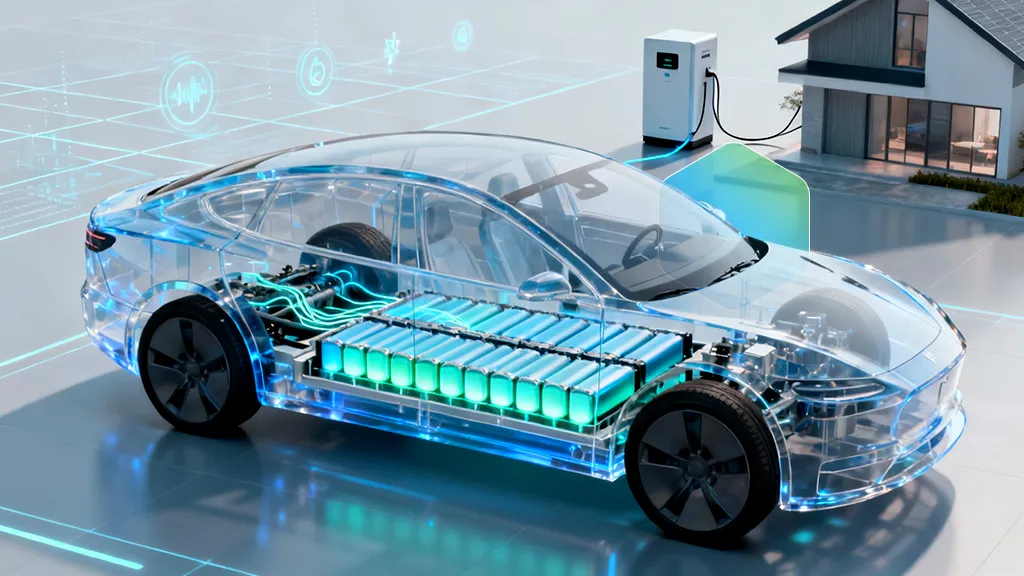
The electric vehicle revolution has disrupted the mobility sector faster than most predicted. However, the question that the industry no longer can afford to ignore is: what would happen to an EV battery once it falls short of automotive-grade performance? Inefficient batteries with degraded power capacity not only increase pressure on raw materials but also add avoidable costs to an already complex supply chain. For energy players, utilities, and mobility ecosystem leaders, second-life batteries are no longer a concept on the horizon but an untapped resource that is right in front of them. With grid decentralization accelerating and demand for affordable energy storage rising, the gap between available battery capacity and effective reuse strategies is becoming apparent.
Why EV Battery Repurposing Is Transiting from Ideation to Implementation
The economics of energy storage are shifting. New battery procurement remains capital-intensive, while sustainability expectations now extend well beyond tailpipe emissions. Battery repurposing addresses both pressures by extending asset lifecycles and improving the total cost of ownership. At the same time, advances in battery diagnostics, thermal management, and system controls are improving confidence in second-life performance.
Yet value does not automatically materialize. The real opportunity lies in aligning EV battery repurposing with applications where performance requirements are lower than automotive use. However, reliability remains critical for residential energy storage, backup systems, and renewable energy balancing.
The Complexity Beneath the Opportunity
Repurposing batteries is technically nuanced. Variations in chemistry, health status, and degradation behavior require careful evaluation. Safety standards, system integration challenges, and regulatory considerations add further layers of complexity. Without structured analysis, organizations risk turning a promising idea into an operational headache. This is why market leaders are resisting one-size-fits-all solutions. Instead, they are investing in disciplined assessments that connect EV battery condition, system design, and economic outcomes.
When approached with rigor, battery repurposing becomes more than a sustainability play, it becomes a strategic capability. By grounding decisions in data, focusing on demand-driven use cases, and designing for integration from day one, organizations can unlock measurable cost savings while supporting circular-economy goals.
Want to know how EV battery repurposing can translate into measurable cost savings, lower battery procurement needs, and a stronger circular strategy for your organization?
Explore the complete case study by filling out the form.


